Seni Merajut Sejarah - Siapa yang Mengukir Jejak di Balik Jahitan Bendera Pusaka?
Description and symbolism [ edit ]
The Bendera Pusaka consists of two bands, red at the top and white at the bottom, at a scale of 2:3. The red stands for bravery (Indonesian: keberanian), while the white stands for purity (Indonesian: kesucian). [3] However, alternative meanings have been proposed, including that the red represents palm sugar and the white represents rice, both staples of Indonesian cuisine. [2]
The Bendera Pusaka has been used in the name of the Indonesian student organization Pasukan Pengibar Bendera Pusaka (often abbreviated Paskibraka, English: Bendera Pusaka Flag Hoisting Troop ). The organization, which was founded by Husein Mutahar in 1968, provides flag bearers for flag ceremonies in the local and national levels as well as in international functions for overseas Indonesians. [4] This organization has a national board - the National BPFHT Council (Purna Paskibraka Indonesia). Their best appearance is during the Independence Day commemorations every 17 August.
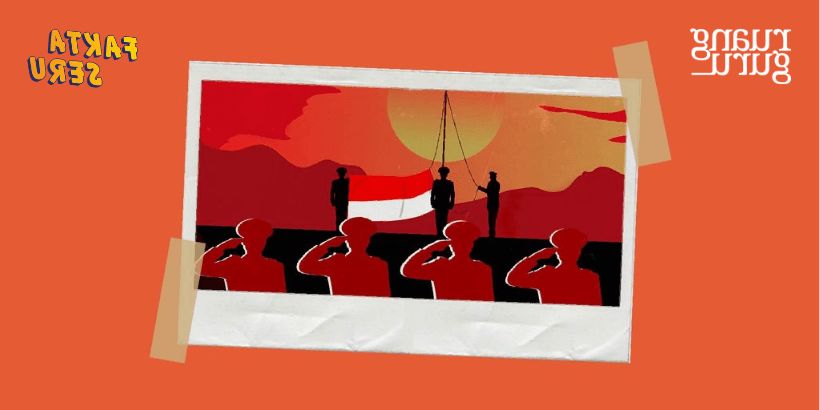
Merah-Putih dalam Sejarah Indonesia
Pada zaman kerajaan di Nusantara, bendera atau panji-panji kebesaran dengan unsur warna merah dan putih juga kerap digunakan, salah satunya oleh Kerajaan Majapahit (1293–1527 Masehi).
Pada masa perjuangan melawan penjajah Belanda atau VOC, pasukan Pangeran Diponegoro mengibarkan panji merah putih dalam Perang Jawa (1825-1830) di Yogyakarta dan Jawa Tengah. Begitu pula dengan bendera perang Sisingamangaraja XII (1876-1907) di tanah Batak, Sumatera Utara.
Selanjutnya, memasuki abad ke-20 atau Era Pergerakan Nasional, bendera dengan warna merah dan putih berkibar saat pelaksanaan Kongres Pemuda II di Batavia (Jakarta) pada 28 Oktober 1928 yang menghasilkan Sumpah Pemuda.
Menjelang kemerdekaan RI, Fatmawati yang merupakan istri Ir. Sukarno, menjahit kain berwarna merah dan putih untuk dijadikan bendera. Bendera bersejarah yang disebut Sang Saka Merah Putih ini akhirnya dikibarkan dalam upacara proklamasi Kemerdekaan RI tanggal 17 Agustus 1945.
Tags: jahit yang ende